Reliable roads are the foundation of economic growth, efficient transportation, and sustainable development. Strong infrastructure not only connects cities and communities but also supports trade, logistics, and national progress. At the core of modern infrastructure development lies advanced engineering, high-quality equipment, and a commitment to durability and performance.
Road construction today demands more than just building surfaces. It requires precision planning, robust machinery, and innovative techniques that ensure long-term reliability and reduced maintenance. Modern road projects must withstand heavy traffic loads, changing weather conditions, and continuous use while maintaining safety and structural integrity.
The Importance of Reliable Road Infrastructure
Reliable roads contribute significantly to economic development by improving connectivity between industries, markets, and communities. Efficient road networks reduce transportation costs, improve travel efficiency, and enhance accessibility for businesses and individuals.
Well-constructed roads also play a critical role in public safety. Smooth surfaces, proper drainage systems, and strong structural foundations reduce accidents and increase driving comfort. For governments and infrastructure developers, investing in quality road construction helps minimize long-term repair costs and ensures sustainable development.
Engineering Excellence in Road Construction
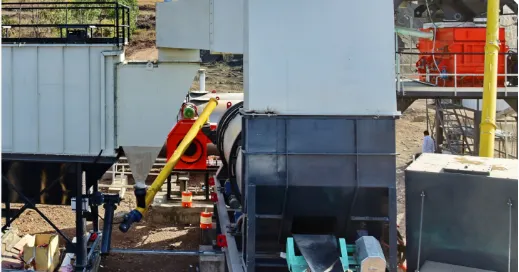
Building dependable roads requires advanced engineering practices and high-performance construction equipment. From soil preparation and asphalt production to compaction and finishing, every stage of the construction process demands precision and technical expertise.
Modern road construction equipment is designed to improve productivity while maintaining strict quality standards. Automated controls, efficient power systems, and durable construction materials allow contractors to complete projects faster without compromising performance. Consistency in construction methods ensures roads remain strong and reliable for years.
Innovation and Technology in Modern Roads
The infrastructure sector continues to evolve with the integration of new technologies and materials. Smart construction methods, advanced paving techniques, and high-efficiency machinery contribute to better road performance and sustainability.
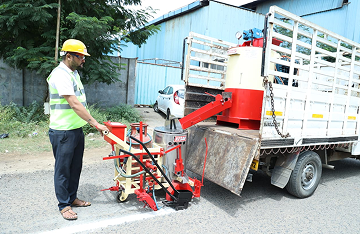
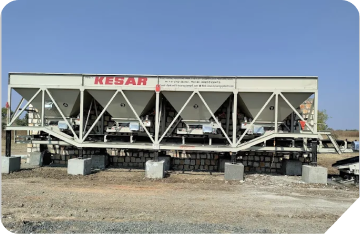
Innovations such as improved compaction systems, precise material mixing, and advanced surface finishing help create smoother, longer-lasting roads. These advancements reduce construction time, minimize material waste, and enhance overall project efficiency.
Sustainability and Long-Term Performance
Sustainable road construction focuses on reducing environmental impact while maintaining high durability. Modern equipment and engineering methods allow for efficient fuel usage, optimized material consumption, and reduced emissions during construction.
Building reliable roads also means considering long-term maintenance. Quality construction practices ensure reduced repair frequency, minimizing disruption to transportation and lowering lifecycle costs. Durable infrastructure ultimately benefits communities by providing safer and more dependable travel routes.
Commitment to Quality and Reliability
Successful road construction depends on strong collaboration between manufacturers, contractors, engineers, and infrastructure developers. Reliable machinery, skilled professionals, and a commitment to excellence are essential for delivering projects that meet modern standards.
Organizations dedicated to quality engineering and customer-focused solutions help drive the future of infrastructure development. By prioritizing performance, durability, and innovation, they contribute to building roads that stand the test of time.